
November Is CRPS Awareness Month
When CRPS Pain Nerves Won't Switch Off
Complex Regional Pain Syndrome (CRPS) is a chronic pain condition in which the nervous system keeps sending intense pain signals from an affected limb long after any tissue has healed, and the pain can spread. It usually starts in an arm, leg, hand, or foot, often after a fracture, sprain, surgery, or nerve injury.
This November, Infinity Labs Solutions™ publishes a growing series explaining CRPS and how to support people living with it. Founder Amy Diette lives with CRPS and is a proud advocate for CRPS awareness, resources, and research.
Last Reviewed October 2026
What Is CRPS?
Complex Regional Pain Syndrome (CRPS) is a chronic pain condition in which the nervous system keeps sending intense pain signals from an affected limb long after any tissue has healed, and the pain can spread. It usually starts in an arm, leg, hand, or foot, often after a fracture, sprain, surgery, or nerve injury.
Common Signs
Burning pain, pain from a light touch, swelling, and changes in skin color, temperature, and texture in the affected limb.
Why It Persists
Pain nerves misfire, the spinal cord amplifies their signals, and stress keeps the loop running.
Education only. Not medical advice. If you think you have CRPS, talk to a doctor.
How Common Is CRPS?
CRPS is rare. Studies estimate between 6 and 26 new cases per 100,000 people each year. Women are diagnosed more often than men, and onset peaks around age 40.
Sources: Sandroni et al., Pain, May 2003 · de Mos et al., Pain, May 2007 · Cleveland Clinic, September 2022
How Severe Is CRPS Pain?
CRPS scores 42 to 46 out of 50 on the McGill Pain Index, the highest rating for any chronic pain condition. On the McGill Pain Questionnaire, CRPS scores higher than amputation, non-terminal cancer, and childbirth.
Sources: Lin Health, June 2026 · Burning Nights CRPS Support, March 2026
CRPS Type I vs Type II
Think of CRPS as an alarm system that will not shut off. The difference between the two types is whether the wiring itself, a specific nerve, was damaged.
| Feature | CRPS Type I | CRPS Type II |
|---|---|---|
| What Started It | An injury or illness with no confirmed nerve damage, such as a fracture, sprain, burn, or surgery | A confirmed injury to a specific nerve that was cut, crushed, or compressed |
| Former Name | Reflex sympathetic dystrophy (RSD) | Causalgia |
| How Common | About 90% of cases | About 10% of cases |
| Nerve Tests | Usually normal | Can confirm the nerve injury |
| Where the Pain Goes | Regional, spreading beyond the injury site | Also regional, not limited to the injured nerve's path |
| Symptoms and Treatment | The same for both | The same for both |
Diagnoses can change. Some people are first diagnosed with Type I, then tests later find nerve damage and the diagnosis becomes Type II.
Sources: NINDS May 2025 · Mayo Clinic May 2022 · Cleveland Clinic September 2022 · Stanford Medicine February 2026.
Explore the Series
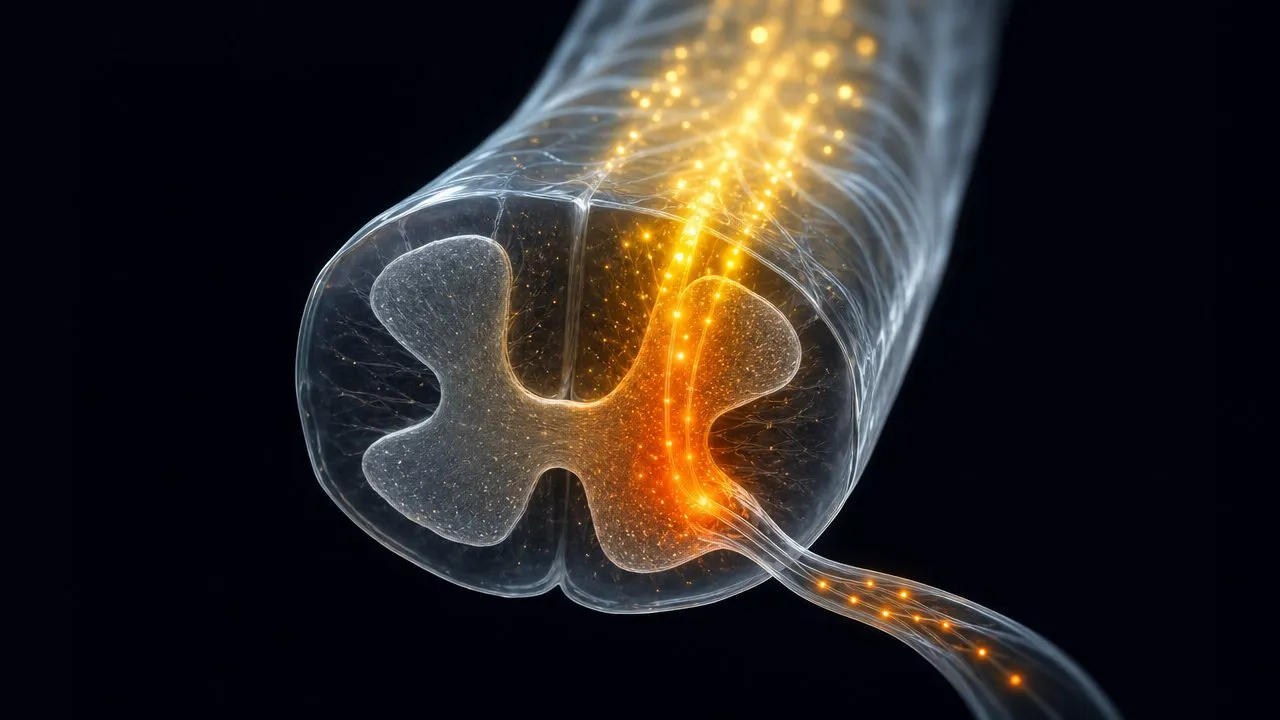
The CRPS Pain Loop: Clinical Edition
For physicians and care teams. C-fiber misfiring, central sensitization, cortical change, and the stress response.
Explore »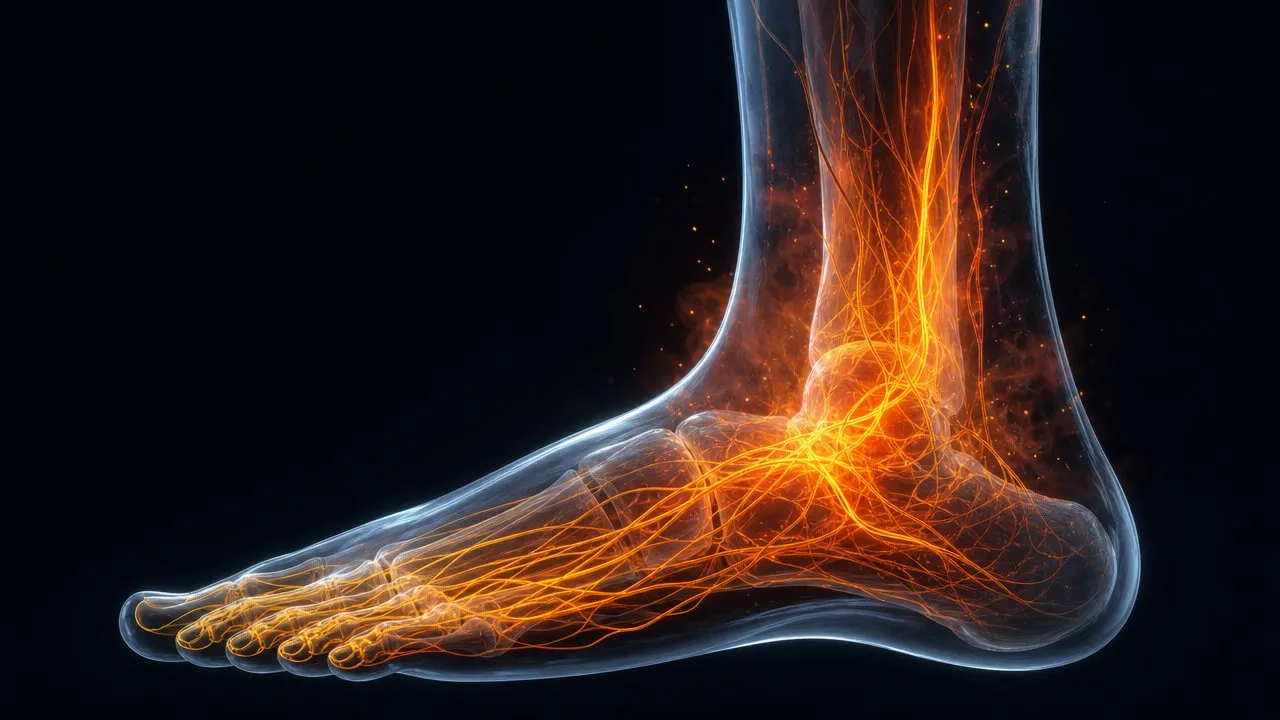
The CRPS Pain Loop: Simplified Edition
For patients, families, and anyone new to CRPS. The same science in everyday words.
Explore »
How to Help a Loved One
Six ways to make someone living with CRPS feel heard and believed.
Explore »Wear orange on Color the World Orange™ Day
Monday, November 2, 2026
#CRPSOrangeDay
Orange stands for the burning pain of CRPS.
CRPS Support and Resources
How to Support This November
Wear Orange
Join Color the World Orange™ Day on Monday, November 2, 2026, and share a photo with #CRPSOrangeDay.
Share the Series
Send this page to someone who needs it. Awareness helps people recognize the signs and ask the right questions.
Give to Patient Funds
Support patient assistance funds that cover emergency and long-term costs.
Believe Someone
Learn how to help a loved one feel heard and believed.
Frequently Asked Questions
What is CRPS?+
Complex Regional Pain Syndrome (CRPS) is a chronic pain condition in which the nervous system keeps sending intense pain signals from an affected limb long after any tissue has healed, and the pain can spread. It usually starts in an arm, leg, hand, or foot, often after a fracture, sprain, surgery, or nerve injury.
What causes CRPS?+
Most CRPS involves faulty small C-fiber nerves, the thin nerves that carry pain and temperature signals and control small blood vessels. That damage has secondary effects on the spinal cord and brain. Source: NINDS, May 2025.
How Many People Get CRPS?+
CRPS is rare. Studies estimate between 6 and 26 new cases per 100,000 people each year. Women are diagnosed more often than men, and onset peaks around age 40.
How Painful Is CRPS?+
CRPS scores 42 to 46 out of 50 on the McGill Pain Index, the highest rating for any chronic pain condition. On the McGill Pain Questionnaire, it scores higher than amputation, non-terminal cancer, and childbirth.
What is the difference between CRPS Type I and Type II?+
Type II follows a confirmed injury to a specific nerve and makes up about 10% of cases. Type I has no confirmed nerve injury and makes up about 90%. Symptoms and treatment are the same, and in both types the pain can spread beyond where it started. Sources: NINDS, May 2025; Mayo Clinic, May 2022.
When is CRPS Awareness Month?+
November. Color the World Orange™ Day falls on the first Monday of November, which is November 2, 2026.
How can I help someone with CRPS?+
Believe them, listen without fixing, ask before you touch, and lower the stress around them. Feeling dismissed is a stressor, and social support is linked to lower pain ratings. Source: Nicola et al., Frontiers in Pain Research, October 2022.
Data Source Specification Badge 2026
Copyright © Infinity Labs Solutions™, LLC · October 2026
Education only. Not medical advice.
Listed for education. Infinity Labs Solutions is not affiliated with these organizations.
Proud Supporter of CRPS Awareness and a Patient Living With CRPS.
Published by Amy Diette, Founder, Infinity Labs Solutions™.